

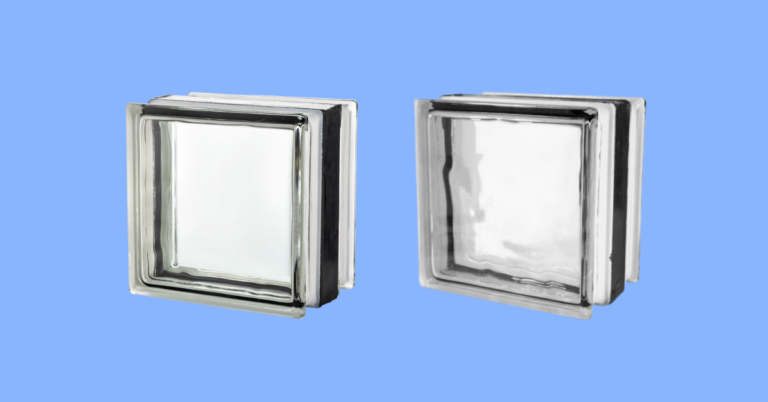
When it comes to building energy-efficient homes or commercial buildings, insulation is one of the most crucial components. A major indicator of a building material’s insulation performance is its U-value—a metric that can make or break your energy efficiency goals. Enter the .17 U-Value Energy Block, a game-changer in thermal performance that is setting new standards in the construction industry.
What is a U-Value?
Before diving into why the .17 U-Value Energy Block is such a breakthrough, it’s important to understand what a U-value actually is.
The U-value, also known as thermal transmittance, measures how effective a material is as an insulator. It represents the rate at which heat is lost through a material. In simple terms, the lower the U-value, the better the material is at keeping heat inside during the winter and outside during the summer.
U-values are measured in W/m²K (watts per square meter per degree Kelvin). A typical wall made of standard concrete blocks can have a U-value anywhere from 0.30 to 0.60 W/m²K, depending on the type of insulation added. That’s where the .17 U-Value Energy Block truly shines—it delivers exceptional thermal efficiency without the need for excessive external insulation.
Why the .17 U-Value Energy Block Stands Out
The .17 U-Value Energy Block is designed for superior insulation performance straight out of the box. With a U-value of just 0.17 W/m²K, it significantly outperforms traditional masonry blocks. This means better energy retention, lower heating and cooling bills, and a much smaller carbon footprint for your building.
Here are some reasons the .17 U-Value Energy Block is gaining popularity:
1. Energy Efficiency Without Compromise
Achieving a U-value of 0.17 W/m²K typically requires complex multi-layer wall systems with extensive insulation. The .17 U-Value Energy Block achieves this on its own or with minimal additional materials. That simplifies construction and reduces both time and cost.
2. Ideal for Meeting Building Regulations
As energy efficiency regulations become stricter worldwide, using building materials that meet or exceed thermal performance targets is more important than ever. The .17 U-Value Energy Block helps architects and builders meet or exceed national and international energy codes with ease.
3. Comfort and Sustainability
Better insulation means more consistent indoor temperatures and fewer drafts. This not only improves occupant comfort but also reduces reliance on HVAC systems. Over time, this leads to significant reductions in energy consumption and emissions—benefits that align with green building goals and certifications like LEED and BREEAM.
4. Reduced Thermal Bridging
The design of the .17 U-Value Energy Block often includes integrated thermal breaks that reduce cold spots and prevent heat from escaping through joints or weak points in the wall. This further enhances the overall thermal performance of the building envelope.
The Future of Energy-Efficient Construction
The construction industry is rapidly evolving, with a strong emphasis on sustainability and energy conservation. Materials like the .17 U-Value Energy Block are leading the way by providing practical, effective solutions that don’t require complicated workarounds. For builders, developers, and homeowners alike, choosing high-performance materials like these is an investment in long-term comfort, efficiency, and environmental responsibility.
Whether you’re designing a new home, retrofitting an existing structure, or working on a large-scale commercial project, the .17 U-Value Energy Block offers unmatched thermal performance and environmental benefits.
Final Thoughts
Understanding the importance of U-values is the first step toward building more energy-efficient structures. With the .17 U-Value Energy Block, you’re not just meeting today’s standards—you’re building for the future.
If you’re ready to enhance your building’s performance and reduce energy costs, the .17 U-Value Energy Block might be exactly what your project needs.




Give us a follow!